
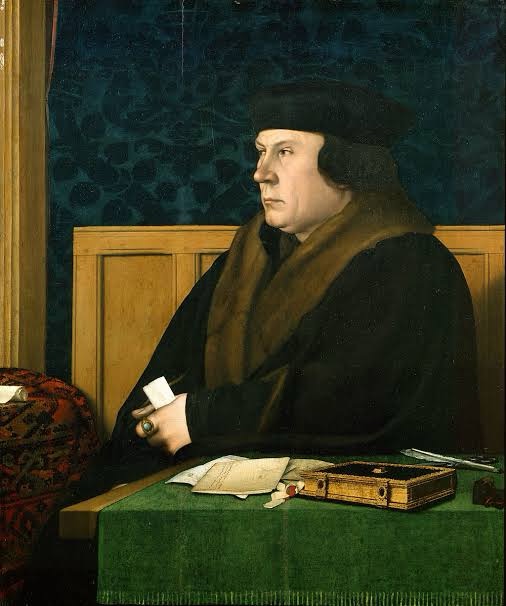
The Thomas Cromwell at the center of Hilary Mantel’s 2009 Booker Prize-winning novel, Wolf Hall, is a curious man. The historical Cromwell was an instrumental aide to Henry VIII during the period of England’s departure from Catholic Europe in the early 16th century.
Mantel’s Cromwell fits that profile, but he’s no Reforming ideologue. He’s a fixer who hones his craft in service to Cardinal Thomas Wolsey who’s on the outs with the king as Henry seeks to free himself from a marriage to Queen Catherine. When the cardinal fails to deliver, the ever-loyal Cromwell protects Wolsey’s interests until his death and then insinuates himself into the service of the king.
As Mantel draws him, Cromwell is a smooth master of courtly intrigue and emerging national politics. He has a fascinating backstory as a poor blacksmith’s abused son who pulls himself up through mercenary and mercantile experience on the continent. He knows he’ll never be fully accepted by the people who surround the king, including the erudite and rigid Thomas More, but he’s found a way always to land on his feet.
Mantel is a great writer, even if her habit of generally referring to Cromwell as ‘he’ can be a little confusing. (There are a lot of ‘he’s in this story, though women make up some of the most interesting characters.) Mantel makes him a charismatic and sympathetic figure, even if he has some undeniable rough edges. You get the sense that it took a man like him to make a nation out of England.
You get the flavor of the writing in this passage where Cromwell, ever the pragmatist, is mystified by More’s stubborn refusal to bend the knee to the changing winds:
He never sees More–a star in another firmament, who acknowledges him with a grim nod–without wanting to ask him, what’s wrong with you? Or what’s wrong with me? Why does everything you know, and everything you’ve learned, confirm you in what you believed before? Whereas in my case, what I grew up with, and what I thought I believed, is chipped away a little and a little, a fragment then a piece and then a piece more. With every month that passes, the corners are knocked off the certainties of this world: and the next world too. Show me where it says, in the Bible, “Purgatory.” Show me where it says “relics, monks, nuns.” Show me where it says “Pope.” (36)
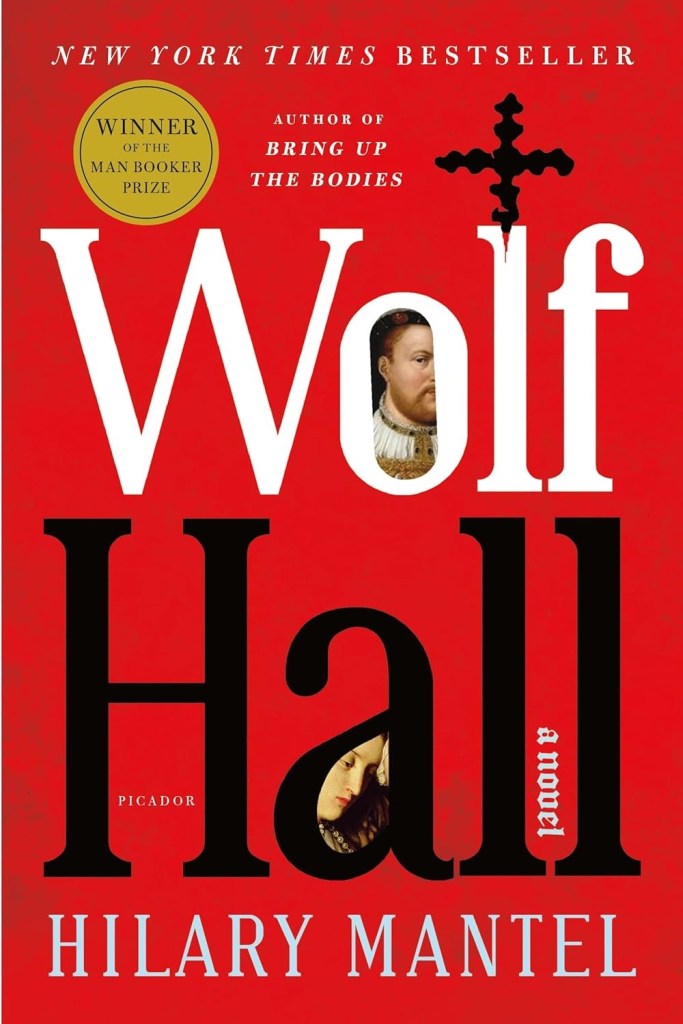
This was the first of three novels in a trilogy that Mantel finished this year. The second novel, 2012’s Bringing Up the Bones, will make the recommended list for this year as well. I’m happy to have taken this journey back in time with Mantel. Wolf Hall comes in at #7 on this year’s best reads.
Previous books on the list:
#8 – The Poisonwood Bible by Barbara Kingsolver


 Heartlands
Leave a comment