
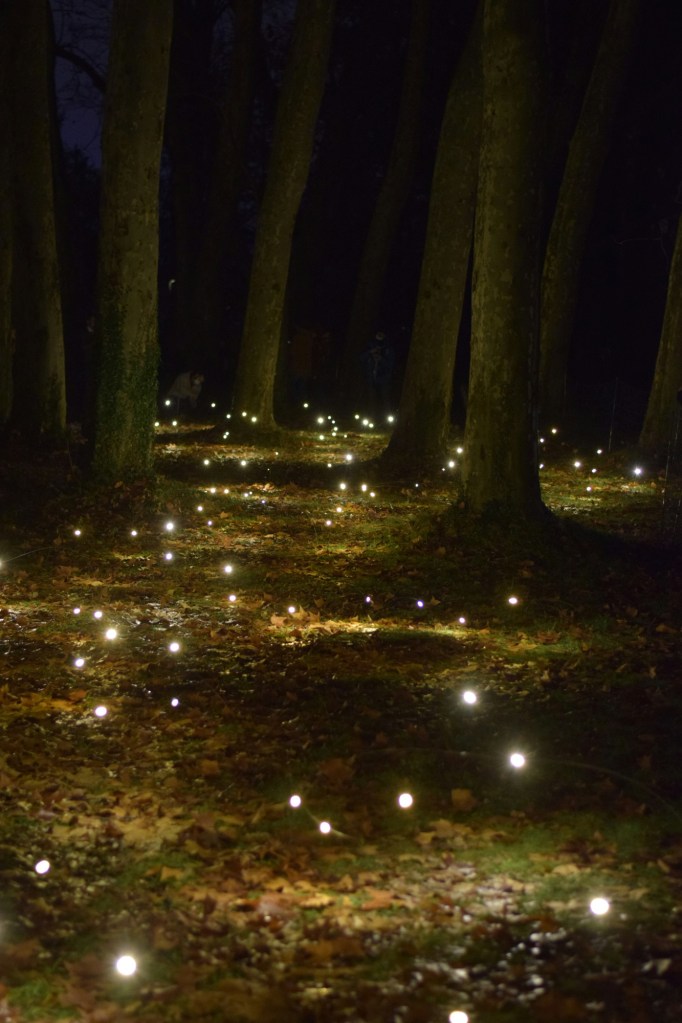
Photo by Renaud Confavreux on Unsplash
They say we have a filter on our sense perceptions. If we took in everything at once, like some biological Alexa, we’d be overwhelmed. So most of the things we’ve experienced in our lives we haven’t actually perceived. Our hardware, laced as it is with such attention-sucking maladies as anxiety, obsessions, and fantasy, won’t permit us the full human experience.
So what to do? Slow things down so that we have less to process? Meditate ourselves into a better framework of perception? Or pause when the universe manages to break through our defenses? Every bush’s aflame, as the poet says.
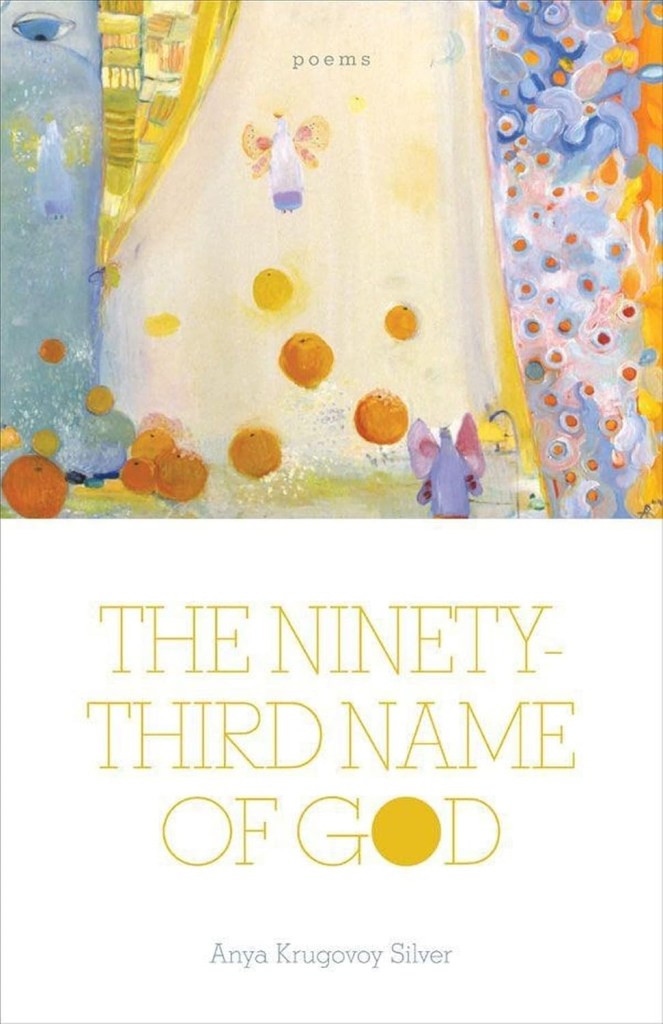
I thought such thoughts when I read Anya Krugovoy Silver’s 2010 collection of poetry, The Ninety-Third Name of God. Silver’s posthumous collection, Saint Agnostica, made my 2021 Best Reads list thanks to its searing exploration of the experience of faith and its lack in the crucible of terminal illness. Silver lived with a cancer diagnosis for fourteen years before her death in 2018.
The Ninety-Third Name of God came together in the midst of that period while she was raising her young child. The poems here can be just as raw as in her final work, but there are moments of poignant, vibrant life, as in ‘Fireflies’:
	My mother swears, two summers ago, the backyard lit up
like a skyscape, all that brilliant mating borne on the summer swells.

When I think of fireflies, I remember the June my husband and I,
in our first house, danced evenings to Johnny Mercer's "Glow-worm,"

singing Light a path below, above, and lead us on to love! How I swished
my skirt around my thighs, while the empty rooms gleamed around us.
It’s there again in ‘Fetal Heartbeat’ when a prenatal sonogram reveals a sound that opens up the whole world:
Now, like a deaf woman given, for the first time,
hearing, I listen:
every cricket, every peony's slow cracking, every monarch
wing's and lash's flutter, every scrape of pen or paper, magnified.
Even when thoughts of her impending death are close to the surface, there’s a sense of something holy suffusing everything. In ‘Christmas Eve,’ beauty and tragedy are mixed:
At church, the roof drew candlelight into its beams.
A son slept against his father's chest, flame rounding his cheeks.

At one time, God built a body to contain himself.

The icicle shines with the light that melts it.

I prayed for a child.
My body built him, feet to heart to sucking mouth.

Darkly rocked the waters.

The tree is waiting. Light defines its branches.
What to do with these strangely limited bodies? Perhaps poetry is the best defense we have against oblivion. As Krugovoy Silver shows, God is found in the reflected light of passing things.
The Ninety-Third Name of God is #6 on the 2024 Best Reads list. Previously revealed:
#7 – Wolf Hall by Hilary Mantel
#8 – The Poisonwood Bible by Barbara Kingsolver



Leave a Reply